
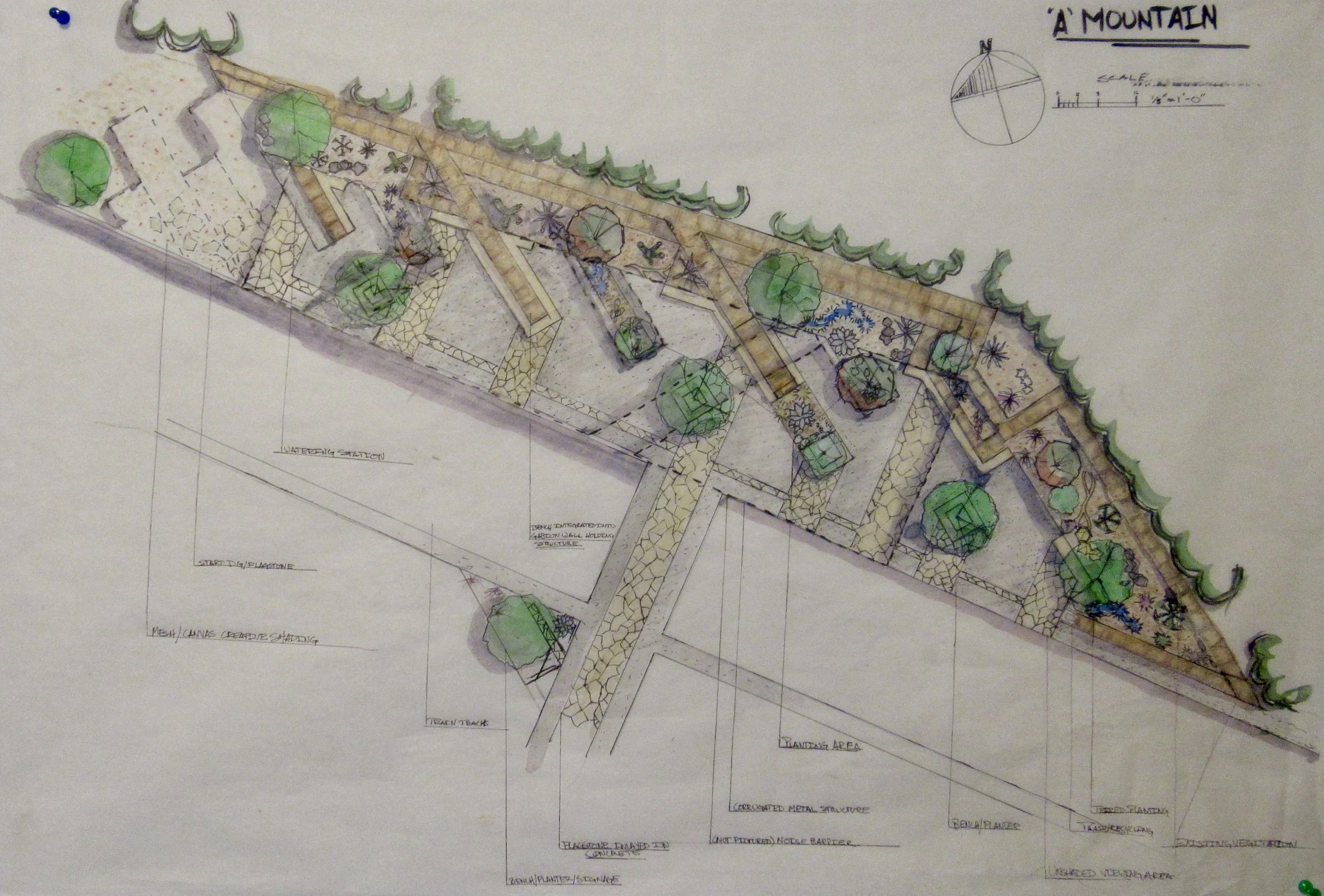
What to ExpectFrom the first consultation to project completion, expect a refined, collaborative process that blends years of build experience with Master's-level landscape architecture expertise. We begin with attentive listening and clear timelines, then translate your goals into bold, site-responsive designs that prioritize beauty, durability, and ecological function. Communication remains direct and consistent throughout—detailed proposals, material selections, and progress updates keep you informed while our craftsmen execute with meticulous attention to detail. Anticipate practical solutions that respect budget and schedule, thoughtful plant palettes and water-wise strategies suited to Sacramento’s climate, and a finished landscape that performs beautifully for years to come.
❋ Intentional DesignIntentional design distills purpose and place into every line, material, and plant choice, creating landscapes that are beautiful, functional, and ecologically responsible.
❋ Collaborative IntentWe coordinate with clients, contractors, and ecologists via clear communication, iterative design workshops, and aligned project management to create durable, ecologically sound landscapes that reflect a shared vision and meet technical standards.
❋ Experiential and Referential KnowledgeWe collaborate with seasoned, referential-knowledge experts whose years of hands-on experience and scholarly grounding in landscape design ensure informed, elegant, and ecologically responsible design solutions.
❋ SupportWe provide clear, timely, and expert guidance at every stage of your project— from initial concept and permitting through construction and final walkthrough—so you always understand choices, costs, and timelines.
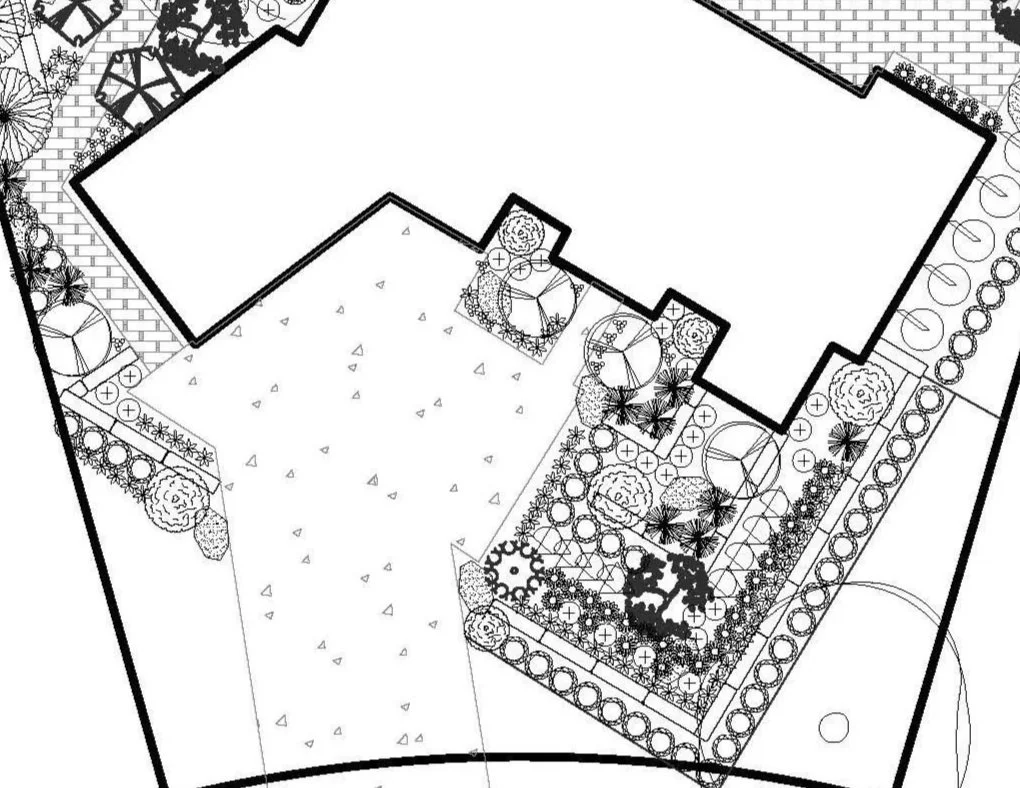
“Thoughtful landscaping does more than decorate; it crafts the land’s living room—directing movement, framing memory, and anchoring people to a lasting sense of place.”
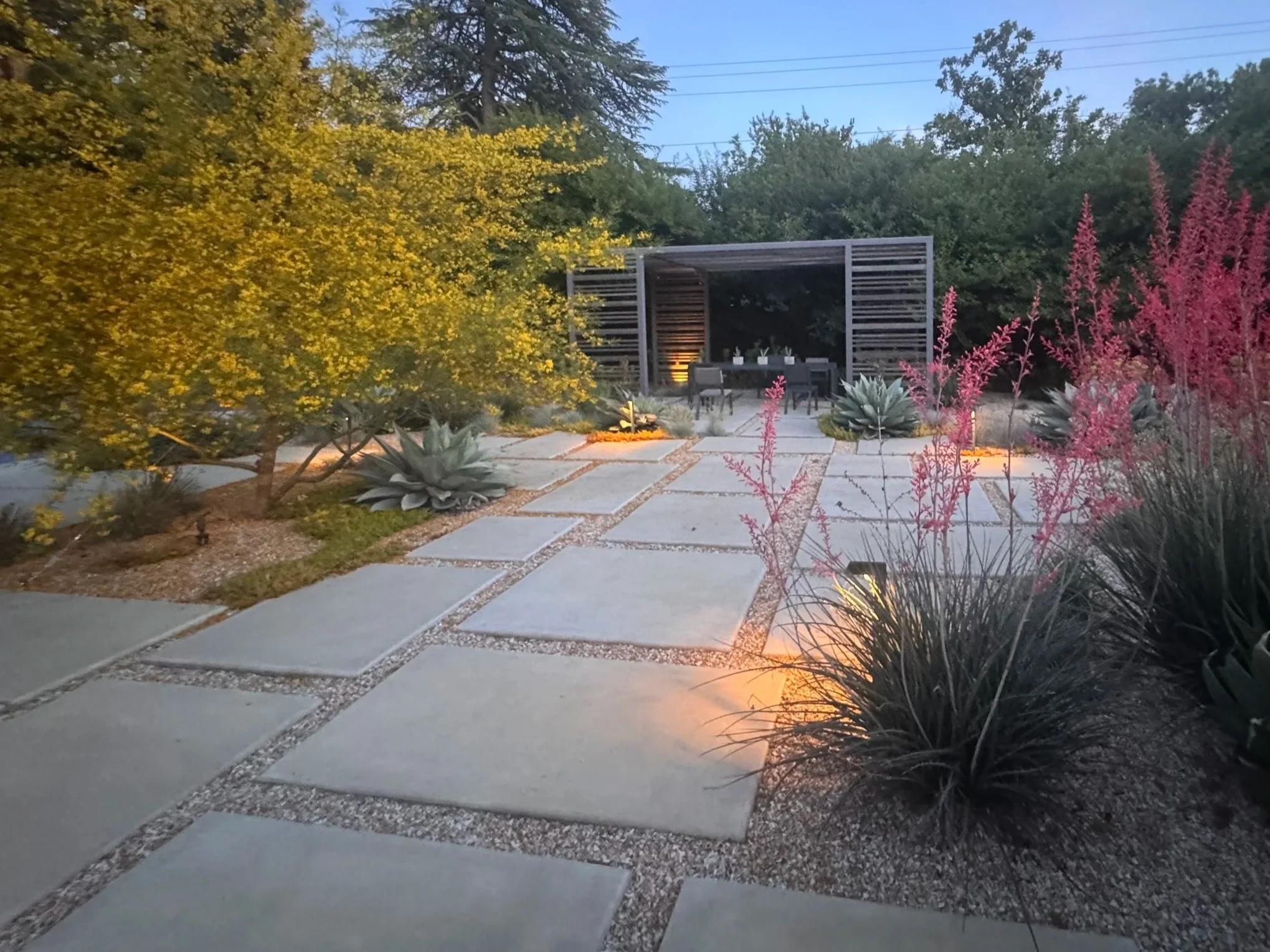
Project OneThe Arden Garden
Our first project in Sacramento, the Arden Garden was a collaborative effort with some of Northern California’s greatest minds. Incorporating extensive drought tolerant and fire-resistant plant material, tastefully elegant hardscape and structural elements and superior material choice, This job embodies my desert experience and adaptation to California.
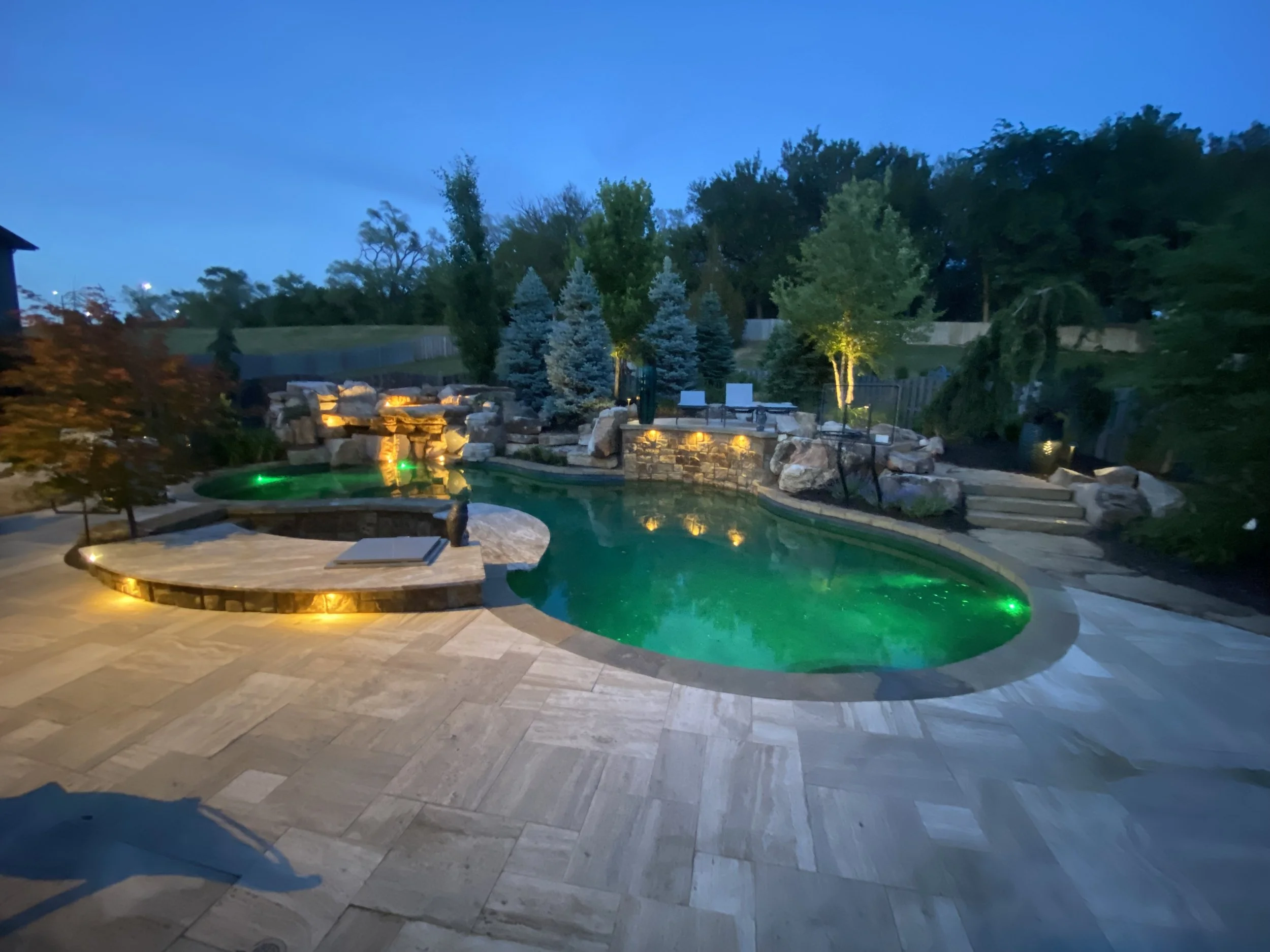
Project TwoMid-city oasis
Incorporating a swim-up bar into a sunken barbecue pit, a diving platform above a hidden waterfall grotto, multi-layered sunbathing decks, and extensive privacy plantings, this project thoughtfully crafts a distinctive backyard getaway that feels both secluded and luxuriously appointed in the heart of the city.
Project ThreeLooking back to my Roots
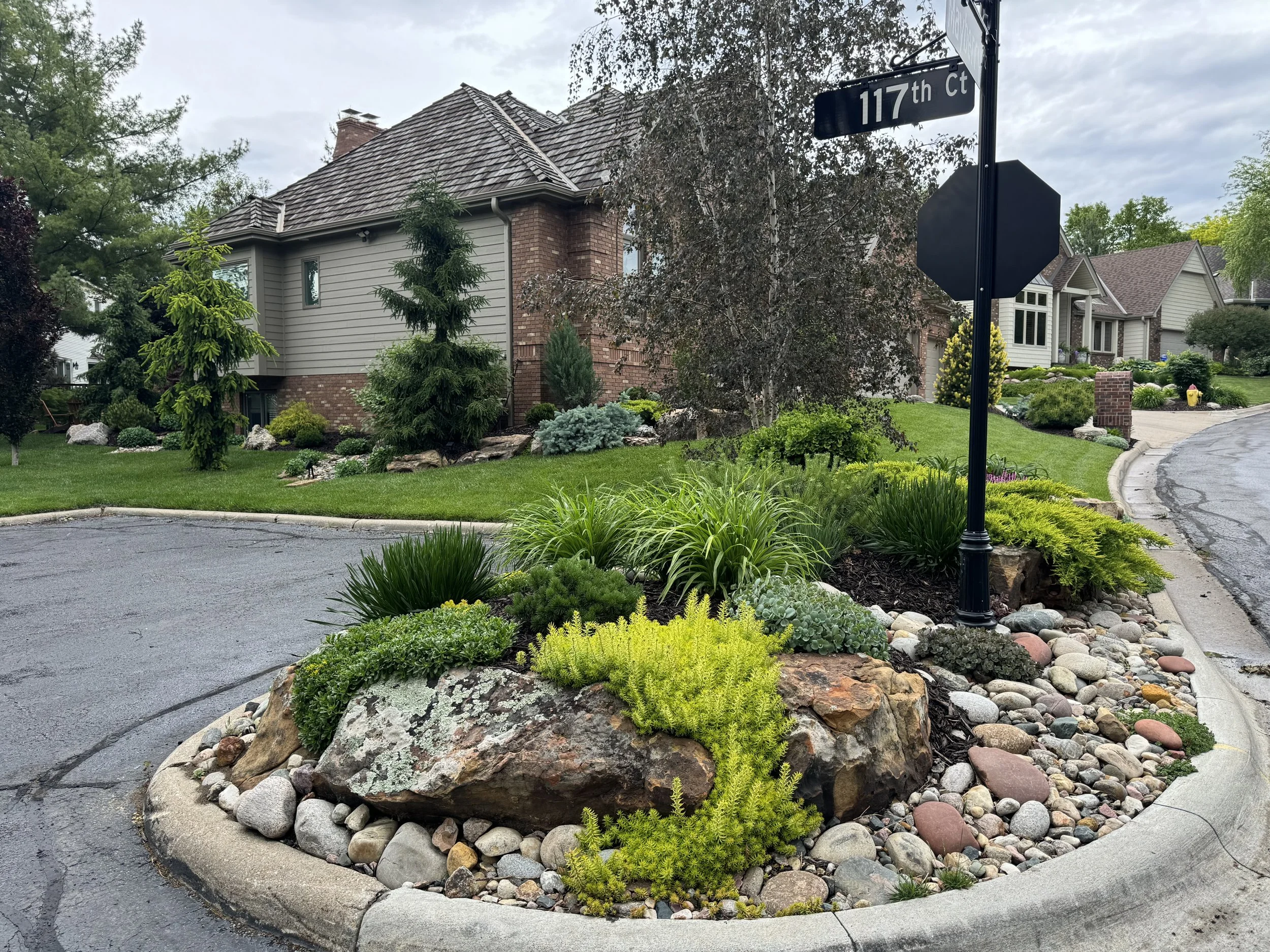
A multi-phase, single-family residential project — later evolving into an HOA common-area collaboration with unfettered creative license — the Johnson residence has long held a special place in my heart. It stands as a refined product of my strongest ideas and represents a master class in collaboration, from initial concept through thoughtful production.
How It Works-
Purpose: Define goals, budget, and regulatory context.
What happens:
On-site or On-line meeting and property walk
Discussion of lifestyle needs (entertaining, privacy, views, vineyards, gardens, pools, etc.)
Aesthetic direction (modern, Mediterranean, vineyard estate, etc.)
Budget range and schedule
Preliminary review of:
Slope and buildable area
Access for construction
Viewsheds and privacy
Existing trees (especially oaks)
Fire risk exposure
Outcome:
Project scope defined and a design services proposal prepared -
Purpose: Understand what regulations and site conditions shape the design.
Key considerations:
Zoning + setbacks (County or incorporated city jurisdiction)
Oak tree protection ordinances (county and some HOAs)
Wildland-Urban Interface (WUI) + defensible space requirements
Slope and erosion control constraints
Septic system location and leach fields
Well location and water availability
Stormwater management requirements
California Model Water Efficient Landscape Ordinance (MWELO) compliance for irrigation
What happens:
Review of survey and topography
Code and environmental research
Solar exposure and wind patterns
Soil and drainage assessment
Inventory of existing vegetation
Outcome:
Clear understanding of design opportunities and limitations before concepts begin. -
Purpose: Establish the overall vision and layout.
What happens:
Development of a conceptual site plan showing:
Outdoor living areas
Pool/spa zones (if applicable)
Lawn vs. drought-tolerant areas
Garden/vineyard spaces
Circulation and access
Major trees and screening
Initial material and style direction
Fire-safe landscape strategy
Preliminary construction budget alignment
Client role: Provide feedback on layout, priorities, and character.
Outcome:
Approved concept establishing the design direction. -
Purpose: Turn the concept into a detailed, coordinated design.
What happens:
Exact layout and dimensions
Hardscape material selections (stone, concrete, decking, walls)
Planting design using climate-appropriate, fire-conscious species
Irrigation design approach (high-efficiency, drip-dominant systems)
Landscape lighting intent
Coordination with:
Architect
Civil engineer (grading/drainage)
Pool designer
Arborist (tree protection)
Outcome:
Refined design ready for technical documentation and cost validation. -
Purpose: Produce plans contractors and permitting agencies require.
Typical drawing set includes:
Layout and dimension plan
Grading and drainage plan
Erosion control measures (critical on Napa slopes)
Planting plan and schedule
Irrigation plan (MWELO compliant)
Lighting plan
Construction details (walls, steps, paving assemblies, etc.)
Tree protection plans if required
Outcome:
Complete build-ready drawing set. -
Purpose: Obtain approvals before construction.
May include:
County Planning or city planning department
HOA review (if applicable)
Oak tree removal or protection permits
Grading permits (for significant earthwork)
Stormwater/erosion control approval
MWELO documentation
Outcome:
Approved plans authorizing construction. -
Purpose: Establish final construction cost.
What happens:
Plans issued to qualified subcontractors
Clarifications during bidding
Bid comparison and scope review
Outcome:
Materials and Subcontractor selections with clear scope and budget. -
Purpose: Ensure the landscape is built per design intent.
What happens:
Periodic site visits
Coordination with other contractors and consultants
Review of materials and substitutions
Addressing field conditions (common with California soils and slopes)
Monitoring tree protection and erosion controls
Outcome:
Quality assurance throughout construction. -
Purpose: Transition to ownership and long-term success.
What happens:
Final inspection
Irrigation system training
Plant care and maintenance guidance
Seasonal establishment recommendations
Outcome:
A completed landscape and a clear path for maintaining it